The Big Idea
Students can often follow a statistical procedure without understanding what the result actually means. These classroom summaries are designed to make the why behind the procedure visible.
Madame Rosie: Making Statistics More Approachable
How a playful story can turn abstract statistical ideas into something students can see, discuss, and understand.
The idea
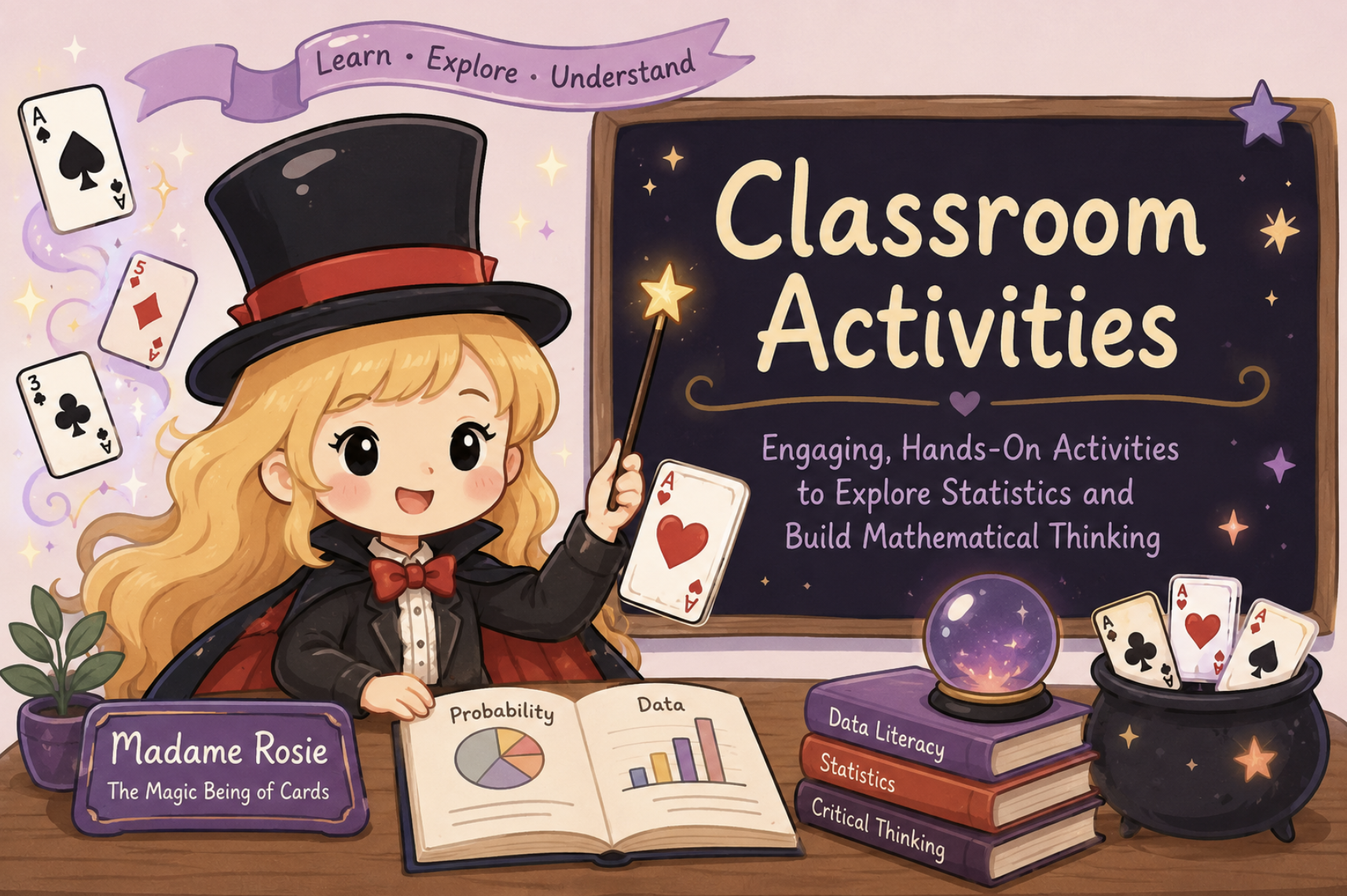
Statistics can feel abstract and intimidating, especially for students who are still developing foundational mathematical skills. I designed Madame Rosie, a magical “Being of Cards,” as a storytelling framework for introducing probability and statistics through visual, playful contexts.
In the classroom
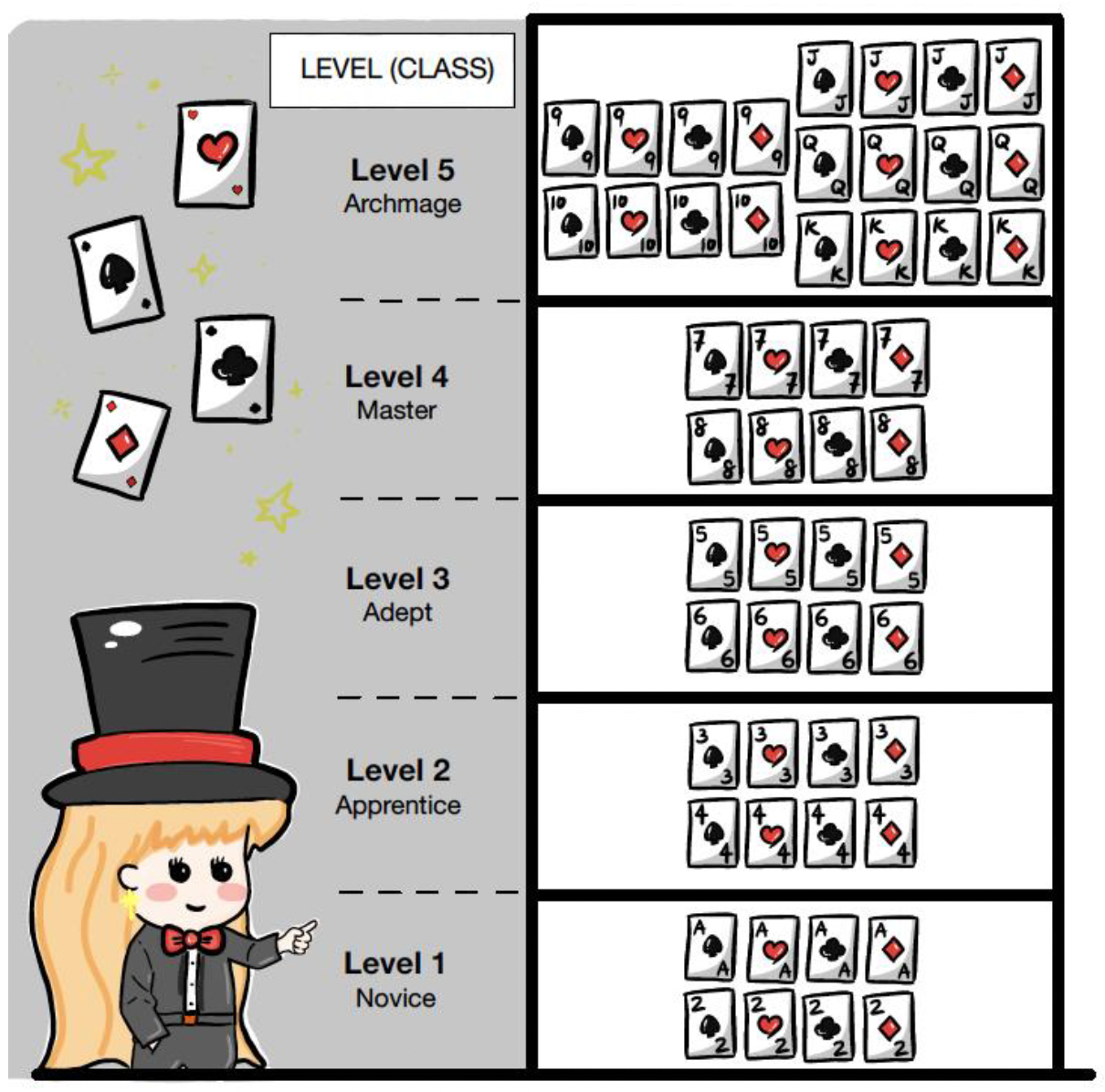
A simple deck of cards becomes a tool for exploring probability, conditional probability, frequency distributions, histograms, mean, median, and mode. Students don't just calculate—they can physically see the relationships behind the numbers.
Why it matters
The goal is to create a welcoming entry point into statistics while encouraging students to connect procedures with meaning.
Reference
Liew, J. S. (2024). From play to proficiency: Learning probability and statistics with Madam Rosie. Illinois Mathematics Teacher Journal. https://drive.google.com/file/d/1beadTuMSFXGWkRomerBFgBSeA4QNlA0m/view
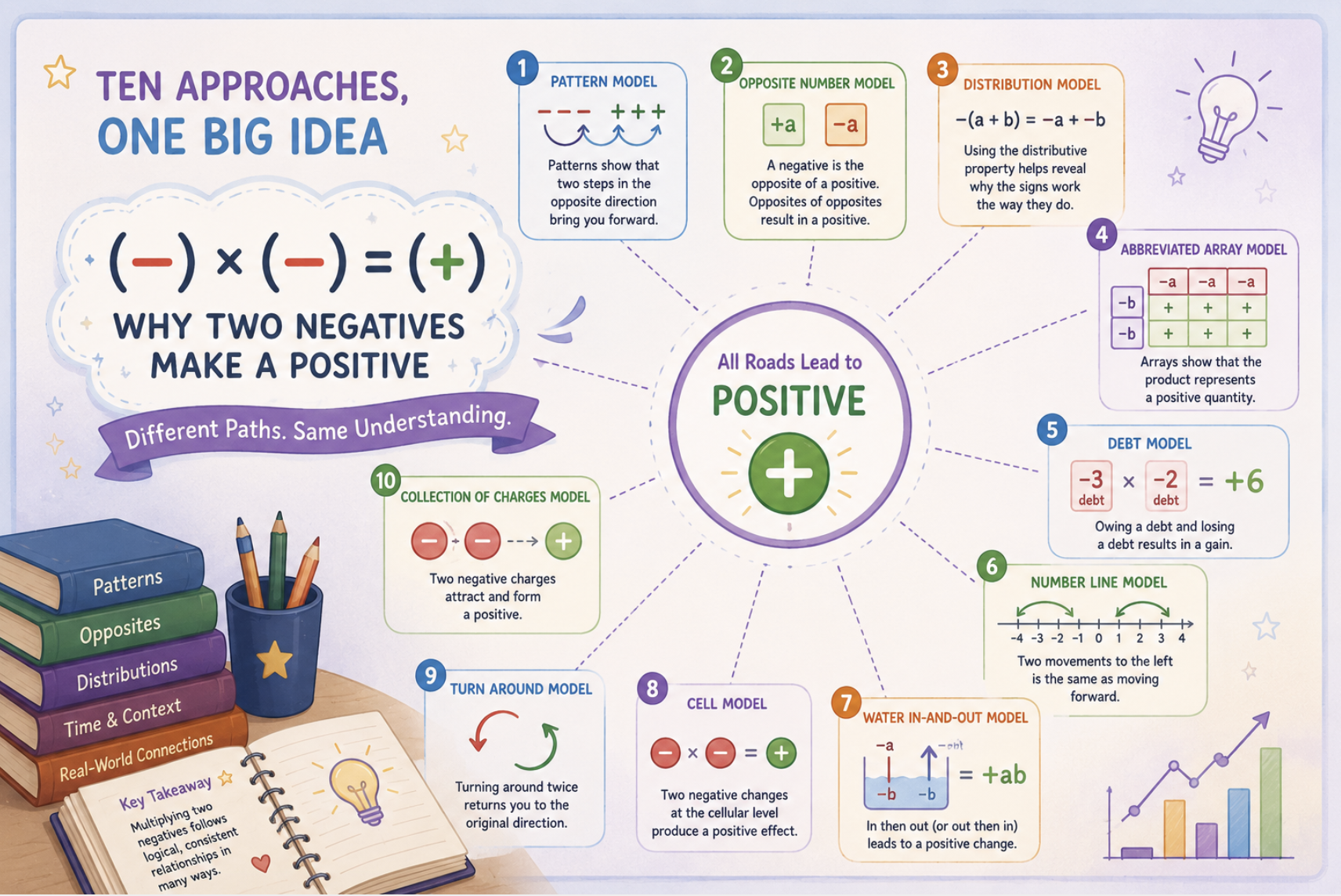
Ten Ways to Think About Negative × Negative
How multiple visual models can help students develop a deeper understanding of why multiplying two negative numbers results in a positive.
The idea
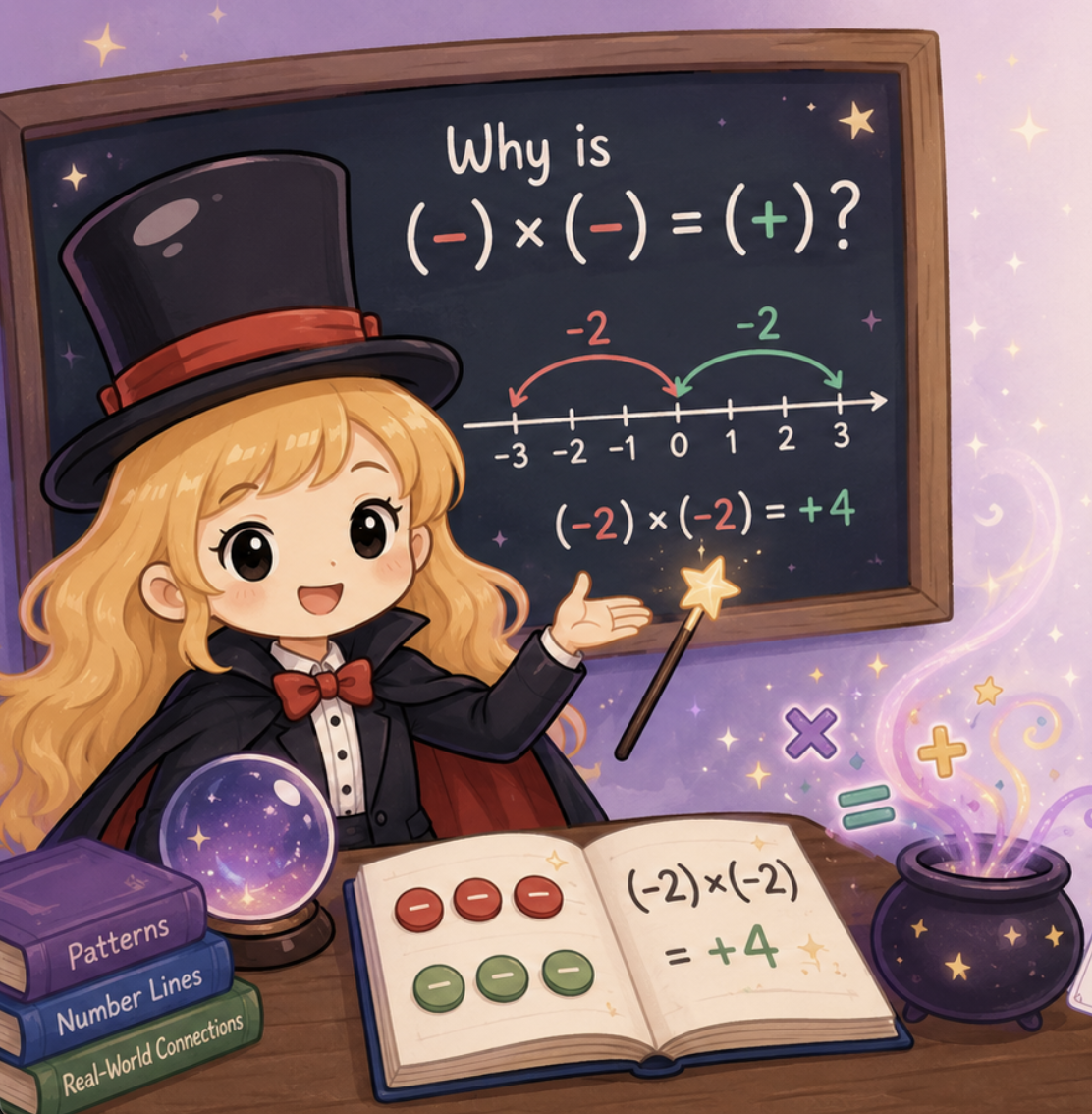
One of the most common questions in mathematics is, "Why does a negative times a negative equal a positive?" Rather than asking students to memorize the rule, this resource brings together ten different instructional models that approach the concept from multiple perspectives. Each model offers a different way of reasoning, allowing students to connect new ideas with what they already know.
In the classroom
The models draw on patterns, opposite numbers, the distributive property, arrays, number lines, time, financial contexts, scientific ideas, and real-world analogies. Teachers can choose the approaches that best match their students' prior knowledge and use them to spark discussion, encourage reasoning, and strengthen conceptual understanding rather than relying solely on procedural rules.
Why it matters
There is no single "best" explanation for why two negatives make a positive. Different students learn through different representations. By presenting multiple pathways to the same mathematical idea, these instructional models help students develop flexible thinking, build confidence, and understand why the rule works—not just what to remember.
Reference
Lin, C.-Y., Chen, K.-C., Liew, J. S., & Chueh, H.-F. (2024). Ten ways to answer why negative multiplied negative is positive. Mathematics Teacher: Learning and Teaching PK-12, Volume 117: Issue 11, 813–823. https://doi.org/10.5951/MTLT.2023.0351
Number Pyramids
Progressive Learning Across Grade Levels
The idea
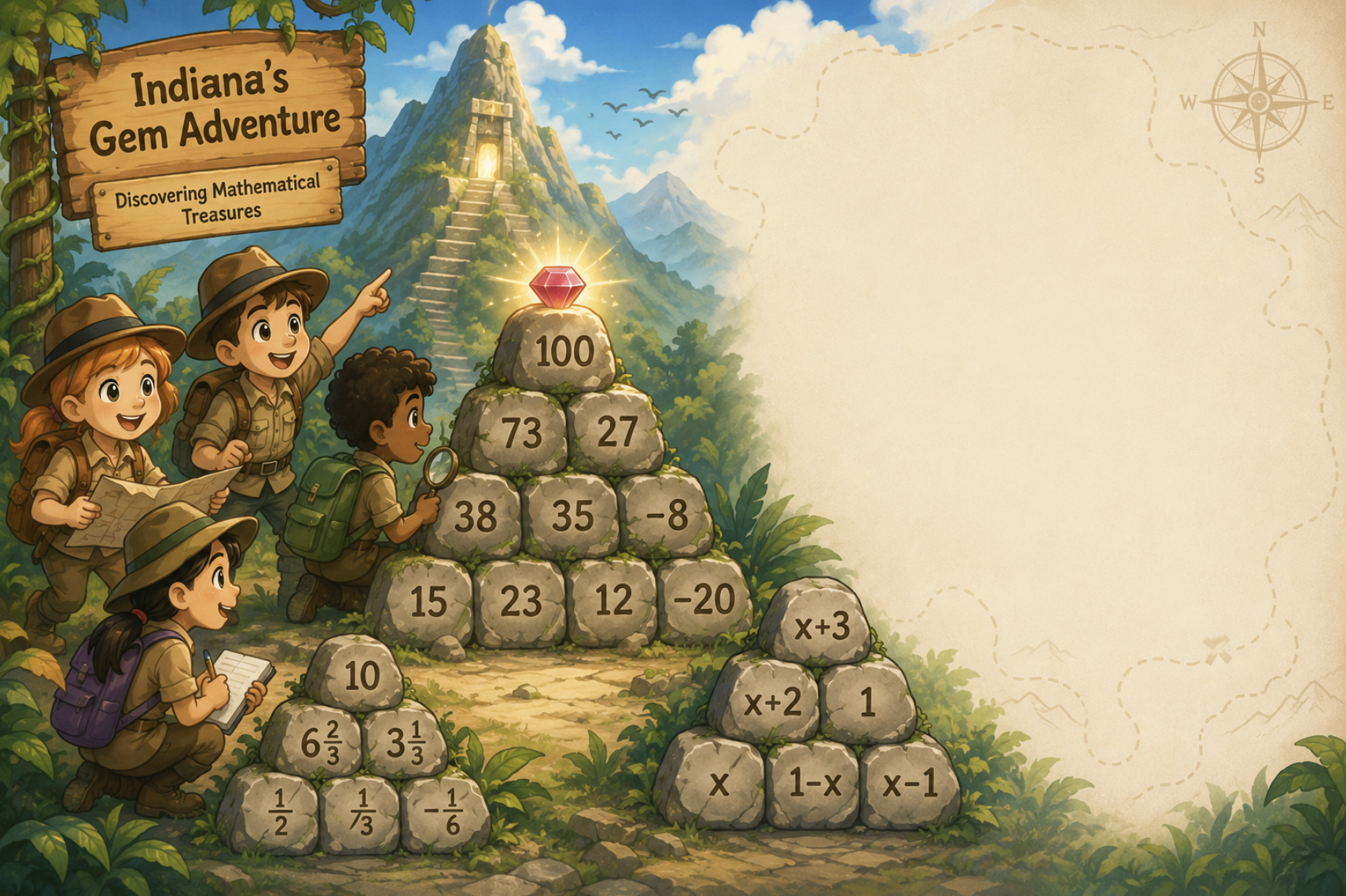
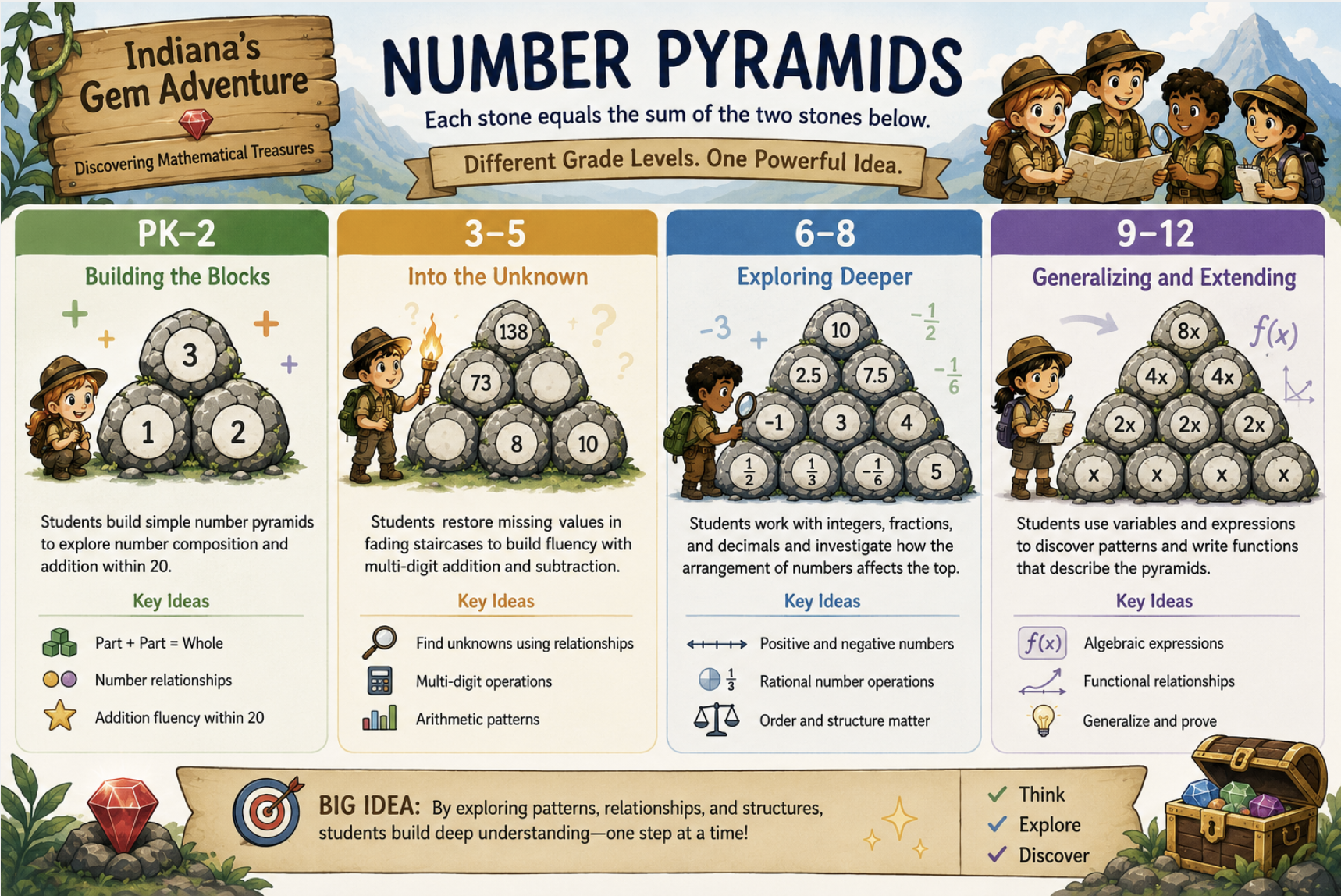
One mathematical task, adapted across grade levels to develop increasingly sophisticated mathematical thinking.
In the classroom
Students explore patterns, justify their reasoning, and solve problems through age-appropriate challenges.
Why it matters
Revisiting the same idea over time helps students build deeper understanding and lasting mathematical connections.
Reference
Chueh, H.-F., Tsou, Y.-C., Liew, J. S., Chen, K.-C. & Lin, C.-Y. Indiana’s gem quest: Discovering mathematical treasures. Mathematics Teacher: Learning and Teaching PK-12.
Hypothesis Testing
A chocolate-themed connected storyline
The idea
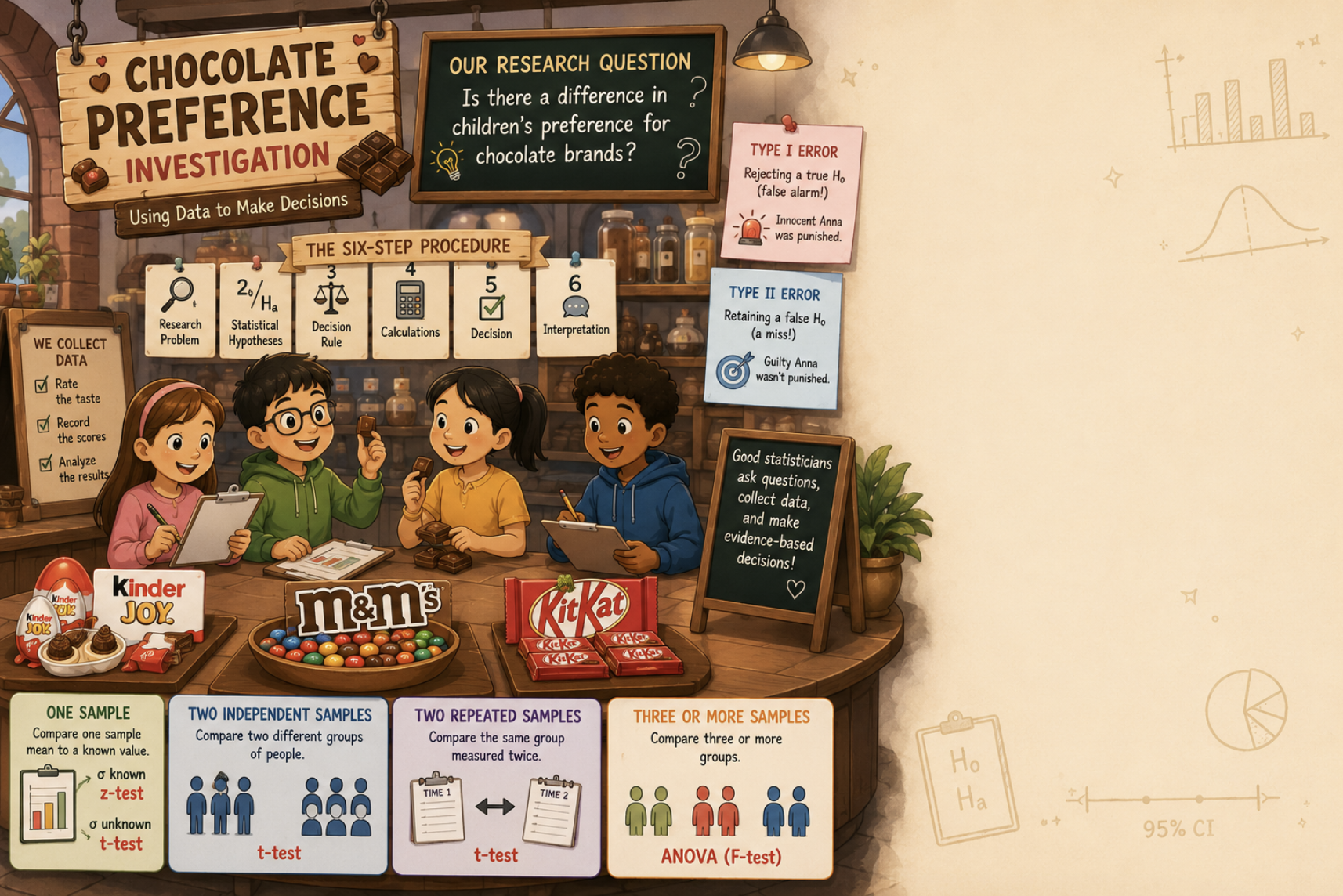
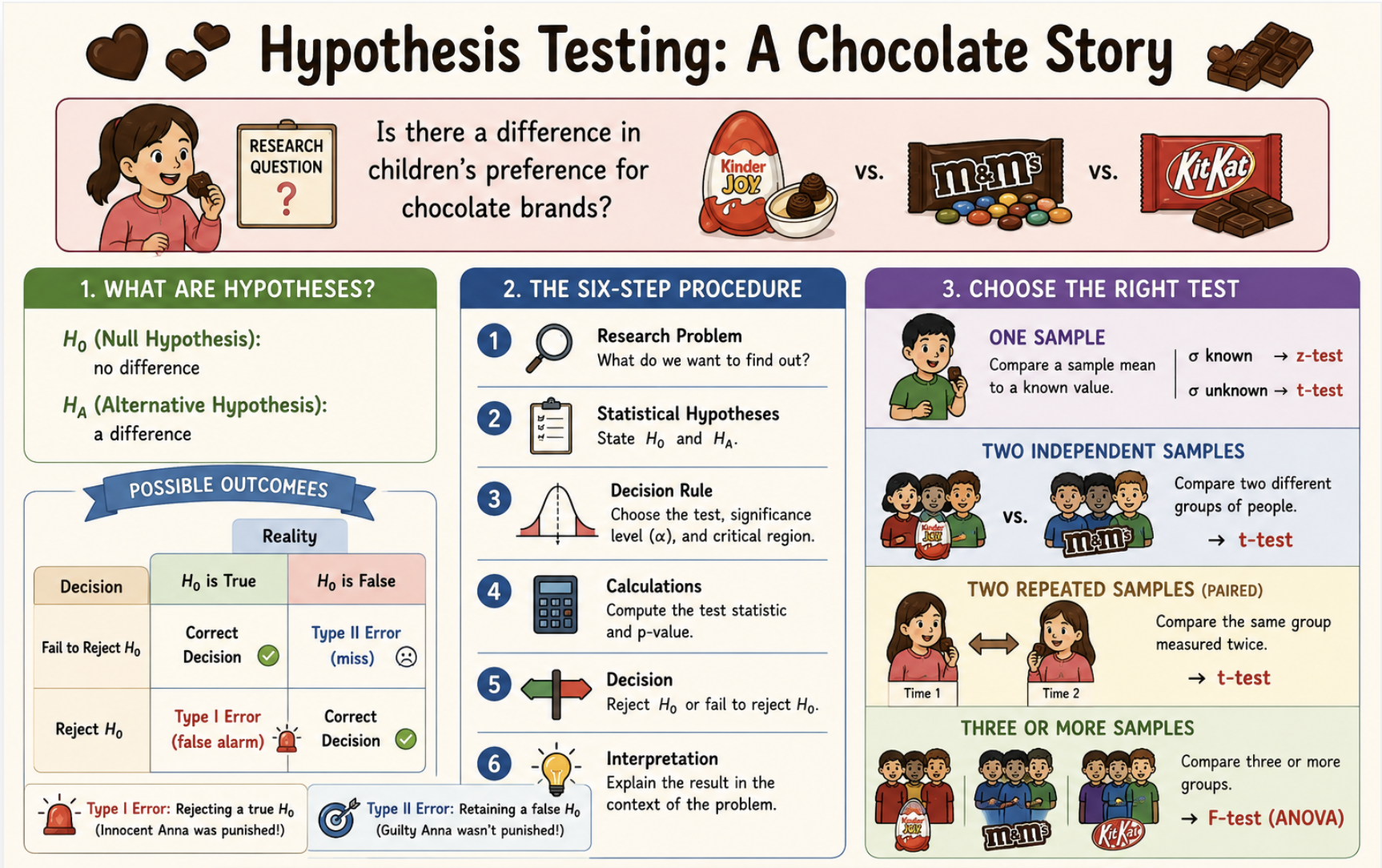
A connected chocolate-themed storyline introduces hypothesis testing by linking research questions, study designs, and statistical tests through one familiar context.
Why It Matters
A single, engaging story helps students connect statistical concepts, reducing memorization and promoting a deeper understanding of inferential reasoning.
Reference
Liew, J. S. (2024, November). Stitching together: Introducing inferential statistics in a connected storyline. Presented at the School Science and Mathematics Association (SSMA) Annual Convention, Knoxville, TN.